Choosing a preschool in Kumasi is one of the first major school decisions many families make. It can be tempting to compare schools by attractive classrooms, uniforms, advertisements, school size or price alone, but those details do not tell the full story.
The best preschool for your child is the one that can care for them safely, understand their stage of development, communicate clearly with your family and help them grow in confidence. A small child needs more than early academic work. They need patient adults, healthy routines, space to play, language-rich learning and a school culture that treats children with dignity.
Here are 10 practical questions parents can ask when comparing a preschool, nursery school or early childhood school in Kumasi.
1. Is the school properly registered and licensed?
Parents in Ghana should ask whether a private school is appropriately registered and licensed through the relevant official channels. Ghana’s National Schools Inspectorate Authority, commonly known as NaSIA, regulates and inspects public and private pre-tertiary schools.
During a school visit, you can politely ask what registration or licensing evidence the school can provide and how parents can verify it. NaSIA also publishes licensing and inspection information through its official website, so parents should rely on official sources rather than rumours or advertising claims.
Can the school explain its current regulatory status clearly, and can I verify it through official channels?
2. Do the teachers genuinely care about young children?
Young children learn best when adults are warm, patient and attentive. A beautiful classroom cannot replace caring teacher-child interaction. When you visit, observe whether teachers speak respectfully, listen carefully, supervise actively and respond calmly when a child needs help.
Look for small signs: teachers kneeling to a child’s level, encouraging children to try again, noticing quiet children, guiding play kindly and correcting behaviour without shaming. These daily interactions often reveal more than a brochure.
3. How does the school keep children safe?
Safety in preschool should be practical and visible. Parents can ask about controlled entry and exit, visitor management, supervision, authorised pickup procedures, first aid, emergency routines, hygiene, toilets and outdoor play supervision.
Ask who may collect a child, how the school checks that person, and what happens if plans change. Also notice the basics: clean toilets, safe furniture, adult presence in play areas, clear boundaries and whether staff can explain routines confidently.
4. Is the learning appropriate for your child’s age?
Preschool should not simply push primary-school work onto younger children. Strong early childhood education balances guided teaching with play, stories, songs, movement, creativity, early numeracy, phonics and language, outdoor activity and exploration.
Instead of asking only, “How much homework will my child get?” parents should also ask, “What is my child learning through the activities they do each day?” Counting games, story discussions, sorting objects, painting, building, singing and outdoor movement can all support serious learning when planned well.
5. What curriculum does the school actually follow?
Curriculum labels can sound impressive: Cambridge, British, Montessori, Ghanaian, international or play-based. Labels alone do not prove teaching quality. Parents should ask what programme is followed, whether any relevant registration exists, what a normal week looks like and how progress is assessed.
A clear answer should explain learning areas, routines, teacher planning and how the programme prepares children for the next stage. Be cautious if a school uses a big name but cannot explain what children actually do each day.
6. How does the school track your child’s development?
Early-years assessment is broader than exams. A good preschool observes communication, early literacy, numeracy, social development, movement, independence, creativity and confidence.
Ask how teachers record progress and share feedback. Useful assessment may include observation notes, activity records, samples of work, parent conversations and gentle check-ins. The goal is to understand the child, not to create unnecessary pressure.
7. How does the school communicate with parents?
Good parent communication should be organised and reliable. Ask how the school sends notices, progress updates, reports, concerns, incident information and admissions or fee communication.
Also ask who parents should contact. Some schools route parent communication through authorised office or administrative staff to keep communication consistent, documented and safe. What matters is that the policy is clear, respectful and followed.
8. Does the school provide enough space for play and movement?
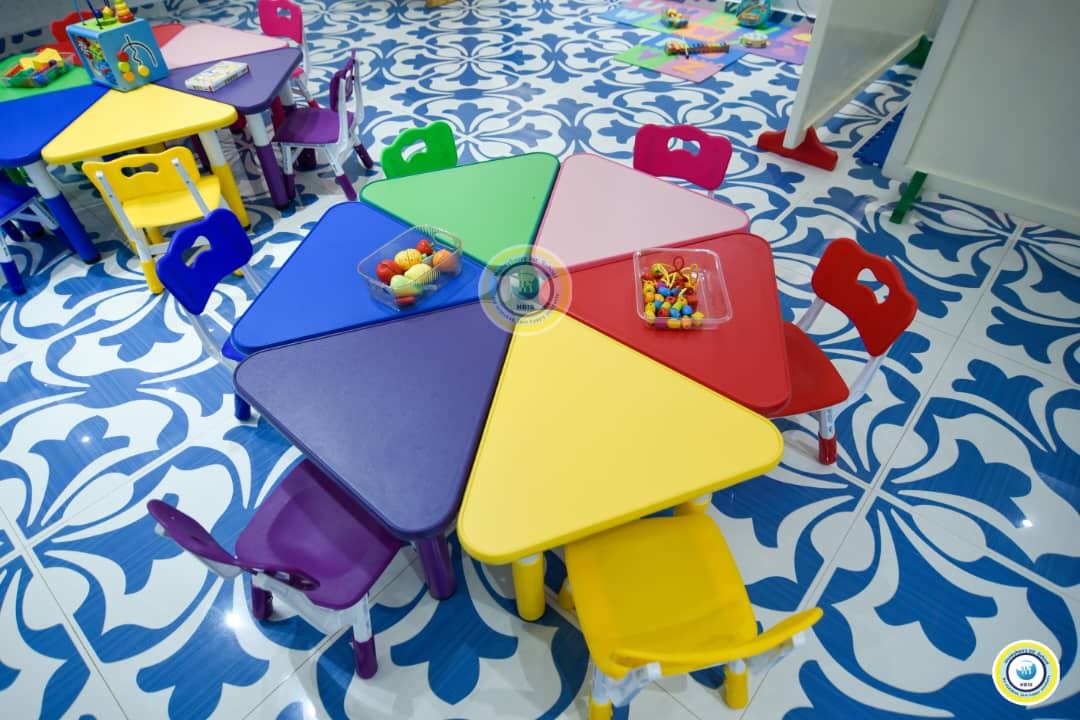
Young children need room to move, talk, explore and rest. During a visit, look beyond photos. Check classroom space, ventilation, safe furniture, toilets, cleanliness, learning materials, age-appropriate equipment and outdoor or movement opportunities.
Overcrowded rooms can make supervision and calm learning harder. A good early childhood environment should feel orderly, clean and child-friendly, with enough space for children to participate safely.
9. What happens when a child struggles?
Many children need support at some point. A child may struggle with separation anxiety, language, toileting, behaviour, fine-motor tasks, friendships, reading readiness or confidence.
A strong school should respond by observing, understanding the child, supporting gently, communicating with the family and recommending appropriate next steps when needed. Avoid schools that treat every difficulty as disobedience or make medical-sounding claims without proper professional basis.
10. Can you visit before enrolling?
A physical school visit matters. Photos and social media can be helpful, but they cannot show the full atmosphere. If possible, visit the school, observe how children and staff interact, look at classroom organisation, check cleanliness and security, and listen to how your questions are answered.
The visit should help you imagine your child’s daily experience: arrival, play, learning, toileting, meals, rest, pickup and communication home.
A Simple Preschool Checklist for Parents in Kumasi
Use this checklist during visits or conversations with any preschool you are considering.
- Is the school appropriately registered?
- Do I trust the adults caring for my child?
- Does my child seem comfortable?
- Are safety procedures clear?
- Is learning age-appropriate?
- Is the curriculum clearly explained?
- Is parent communication organised?
- Are facilities safe and clean?
- Is there time for play and movement?
- Can I imagine my child being happy and supported here?
What about Cambridge Early Years?
Some Kumasi parents are specifically looking for international early-years programmes. Cambridge Early Years is an international programme for young learners that supports development across communication, language and literacy, mathematics, creative expression, physical development, personal, social and emotional development, and understanding the world.
It is still important to ask how the programme is implemented day to day. A curriculum name should be supported by caring teachers, safe routines, good communication and age-appropriate learning.
For a deeper explanation, read Cambridge Early Years in Ghana: A Parent’s Guide.
HoneyBerry International School is a registered Cambridge Early Years Centre (GH119). Parents are welcome to ask which curriculum applies to their child’s particular class and how learning is organised at each stage.
Visiting HoneyBerry International School
HoneyBerry International School is located in Sokoban, Apaaso, Kumasi. Parents considering HoneyBerry are welcome to visit, ask questions and evaluate the school using the same considerations discussed in this guide.
During a visit, you can learn about the programmes, ask admissions questions, discuss an appropriate level for your child and observe whether the environment feels caring, safe and suitable for your family.
Visit, ask questions, and compare carefully.
Explore HoneyBerry’s programmes, admissions process and contact options before deciding what is best for your child.